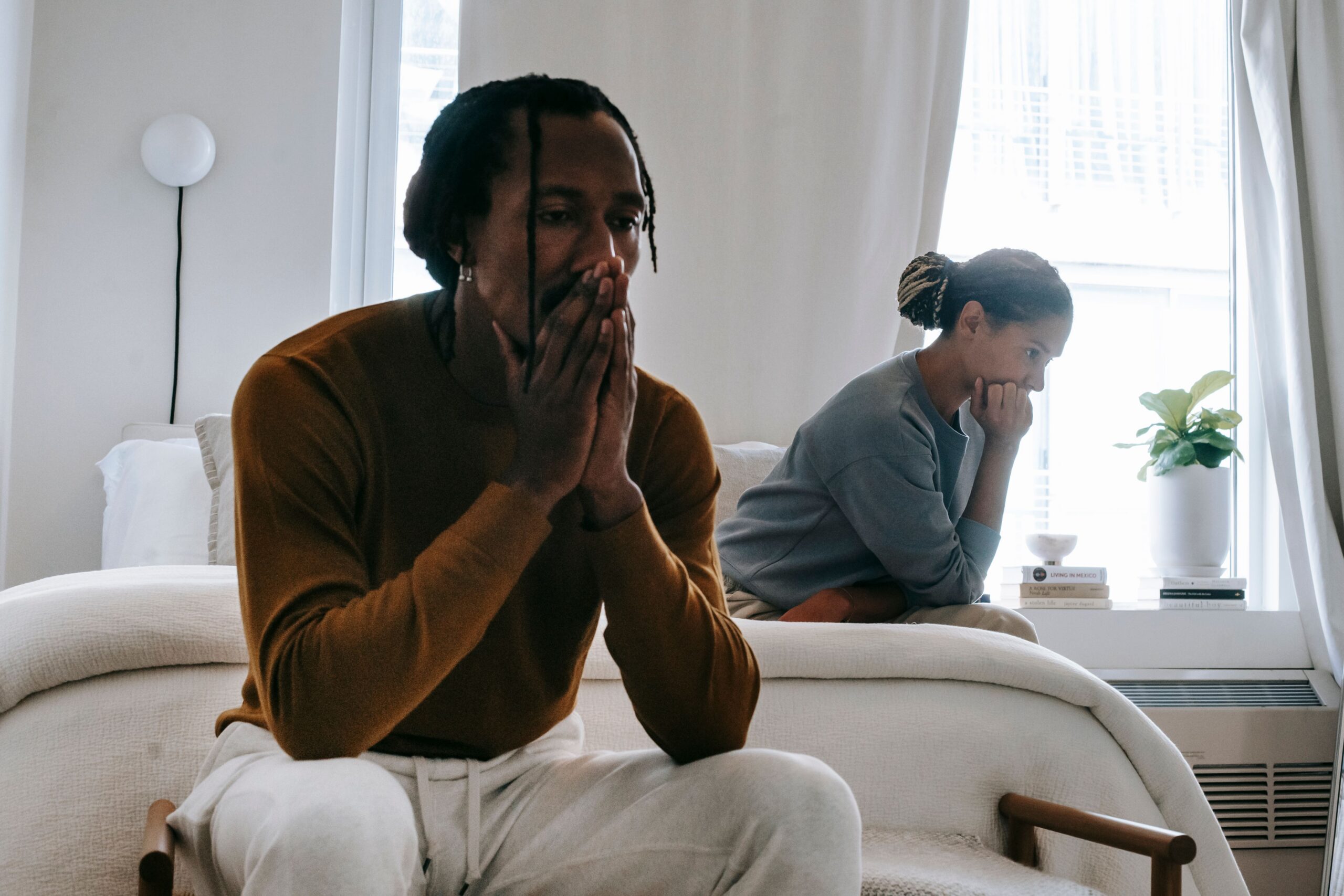
Every relationship goes through rough patches. Disagreements over household responsibilities, differing communication styles, or periods of lower intimacy are entirely natural aspects of sharing a life with another person.
However, when routine friction turns into chronic distress, it can be difficult to tell where the boundary lies. Are you dealing with typical relationship hurdles that can be ironed out over time, or are you experiencing deep-seated relationship anxiety and dysfunction that requires professional support?
If you find yourself searching online for therapists for relationship anxiety, a relationship issues therapist, or a couples therapist in Houston, understanding the difference between everyday partnership stress and clinical relationship anxiety and dysfunction is the first step toward finding relief.
Natural Relationship Issues vs. Relationship Anxiety
Understanding whether your distress stems from situational dynamics or internal anxiety helps clarify the kind of help you need.
1. Natural Relationship Issues (Situational Friction)
Natural relationship challenges are typically tied to specific, external stressors or solvable communication gaps.
- What it looks like: Bickering about finances, navigating parenting styles, adjusting to a new move, or feeling disconnected after a busy work week.
- The emotional experience: You may feel frustrated, annoyed, or tired, but your fundamental belief in the relationship’s foundation remains intact. When the specific stressor is addressed, the tension resolves.
2. Relationship Anxiety (Internal Turbulence)
Relationship anxiety is an ongoing state of worry, doubt, and hypervigilance regarding your relationship—even when there is no clear threat or external crisis present.
- What it looks like: Constantly reading into your partner’s body language, obsessively worrying that they are going to leave you, seeking constant reassurance, or second-guessing whether you are with the “right” person.
- The emotional experience: You experience a persistent “fight-or-flight” response in your chest or stomach. The anxiety feels present regardless of how loving or supportive your partner is being in the moment.
4 Signs It Is Time to Consider Couples Counseling
When relationship friction or anxiety is left unaddressed, couples often fall into destructive communication loops. Here are four indicators that it is time to work with a couples therapist:
1. You Are Trapped in the “Protest-Withdrawal” Cycle
One partner brings up a concern (often coming across as critical or demanding due to underlying anxiety), and the other partner shuts down, stonewalls, or physically retreats. The retreat causes the pursuing partner’s anxiety to spike, leading to more intense confrontations. A therapist helps interrupt this cycle safely.
2. Small Conflicts Escalate Into Major Crises
A simple discussion about dinner plans or weekend schedules quickly devolves into questioning the entire future of the relationship. When minor disagreements feel like existential threats, underlying relationship anxiety is usually at play.
3. Emotional or Physical Intimacy Has Stalled
When safety and trust break down, intimacy is often the first thing to disappear. If you feel like roommates who manage a household together rather than partners who connect deeply, counseling provides a structured environment to rebuild emotional closeness.
4. You Are Preparing for a Major Life Transition
You do not need to wait for a crisis to seek help. Many couples seek therapy proactively— preparing for parenthood, or navigating an empty nest—to build strong communication tools before major shifts occur.
Individual Therapy vs. Couples Counseling: Which Do You Need?
A common point of confusion is deciding whether to attend therapy alone or together:
- Choose Individual Therapy if: Your anxiety follows you into every relationship regardless of the partner, or if you recognize that childhood trauma and insecure attachment styles are driving your fears. An individual therapist helps you build self-soothing tools and heal attachment wounds to support a healthy bond with your current partner.
- Choose Couples Counseling if: The core issue lives in the interaction between both partners. If you struggle to communicate without arguing, are recovering from a breach of trust, or want to improve joint decision-making, couples therapy can be the most effective path for you..
Rebuild Trust and Connection with JEM Wellness & Counseling
Whether you are navigating internal relationship anxiety or seeking to repair communication with your partner, you do not have to figure it out alone.
At JEM Wellness & Counseling, our team of experienced psychotherapists and coaches specialize in relationship dynamics, attachment issues, and supporting couples. We utilize evidence-based relational frameworks to help you break toxic communication cycles, process deep-seated anxieties, and create a secure, lasting bond.
We offer flexible care tailored to your life, including in-person sessions at our Greater Houston offices, specialized Equine-Assisted Psychotherapy for couples looking to connect beyond traditional talk therapy, and secure virtual sessions with an online therapist in Texas.
How to Start
You may click on the “New Client Consultation” button, call, text or email us. We will respond to you within 24 hours to have a free 10-15 minute phone consultation. This will help us determine if we are the best fit to support you toward your goals. If we are, we will schedule your initial assessment and begin your wellness passage.